Exterior Drainage Inspections
Water belongs away from your foundation—not pooling at the slab, backing up into window wells, or soaking landscaping. GroundTruth inspects exterior drainage systems to identify clogs, broken lines, improper connections, poor slope, and flow problems—so you can correct issues before they become expensive.
If you’ve seen standing water, erosion, wet basements/crawlspaces, or downspouts dumping near the foundation, an exterior drainage inspection can quickly identify the “why.”
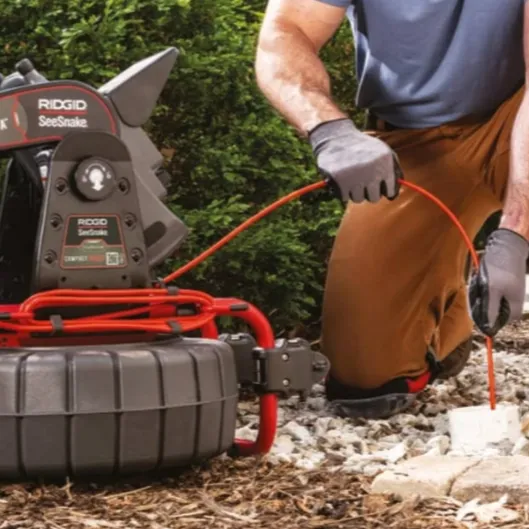
What exterior drainage inspections cover
Exterior drainage inspections assess surface and underground drainage systems—gutters, downspouts, grading, perimeter drains, window wells, hardscapes, and underground piping—to help prevent water damage, foundation movement, and soil erosion.
Key checks include verifying proper slope away from the home, ensuring downspout extensions discharge 5–10 feet away, and using cameras (when access allows) to identify root intrusion, blockages, cracks, offsets, or collapsed sections.
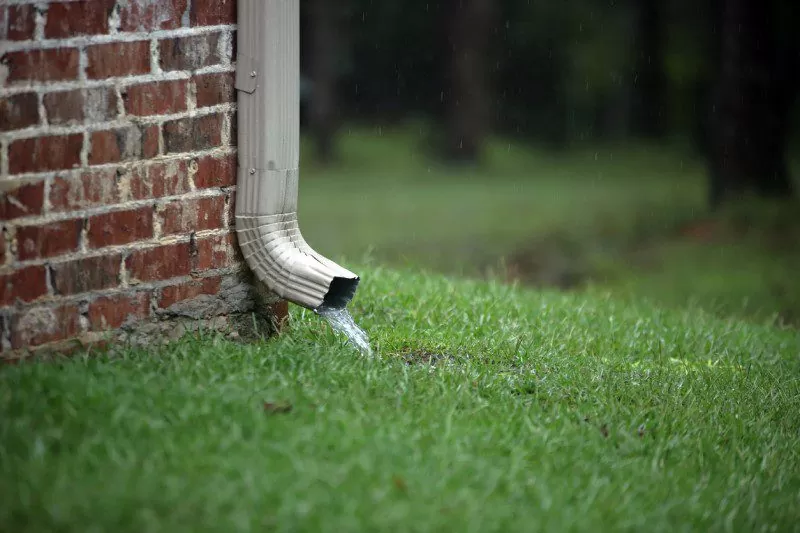
What we inspect and what it can reveal
Key areas we inspect
- Gutters & downspouts: discharge 5–10 feet from the foundation
- Ground grading & soil: slope away from the home (guideline: 6" drop over 10')
- Perimeter / French drains: signs of clogging or trapped water against the foundation
- Window wells: drain pipes present; clear of debris to prevent water entry
- Driveways & hardscapes: settling, cracking, or pooling that signals drainage below
- Underground pipes (camera scope): roots, cracks, offsets, blockages, or collapse
Common signs you need an inspection
- Pooling water / soggy ground long after rain
- Downspouts dumping too close to the foundation
- Soil erosion channels or washouts near the home
- Unusually lush green patches in one area of the yard
- Foundation cracks, settling, or sticking doors/windows
- Efflorescence (white powder) on foundation walls
Drainage problems can be deceptive—water may appear far from the actual failure. An inspection helps you avoid guessing and unnecessary digging.
Avoid trial-and-error
Document how water moves and where it fails before spending on the wrong fix.
Protect foundations and slabs
Reduce erosion, intrusion, and oversaturation that can contribute to movement and cracking.
Plan smarter projects
Before landscaping, hardscapes, basement finishes, or foundation work—confirm drainage first.

Benefits of regular drainage inspections
- Prevents damage by reducing intrusion, erosion, and oversaturation
- Avoids costly repairs by catching roots, blockages, and pipe failures early
- Protects landscaping and hardscapes from washout and long-term saturation
- Pre-purchase confidence by uncovering hidden yard and drain system issues
GroundTruth is inspection-only and independent. If repairs are needed, you can take our documentation to the contractor of your choice.
Exterior Drainage Inspection Service Areas
GroundTruth provides drainage inspections across the Kansas City metro.
Popular areas include Kansas City, Overland Park, Olathe, and Lee’s Summit.
Helpful Drainage Resources
Downspout extensions
How far is far enough—and what mistakes cause water to cycle back toward the foundation?
Yard grading basics
Understand the slope guideline and the red flags that signal a grading problem.
Drain line camera inspection
When a camera scope helps you avoid unnecessary digging and fixes.
Read: When Do You Need a Camera Inspection for Exterior Drain Lines?
Exterior Drainage Inspection FAQ
What are warning signs of drainage issues?
Pooling water after rain, soggy ground, erosion channels, unusually lush patches, efflorescence on foundation walls, and foundation movement indicators (cracks, sticking doors/windows).
Do you use cameras to inspect exterior drain lines?
When access allows, yes. We camera-scope underground piping to look for roots, cracks, offsets, blockages, or collapse.
How far should downspouts discharge water?
A common guideline is 5–10 feet away from the foundation to reduce intrusion and washout.
Do you perform drainage repairs?
No. GroundTruth is inspection-only. You get unbiased documentation you can take to any contractor.