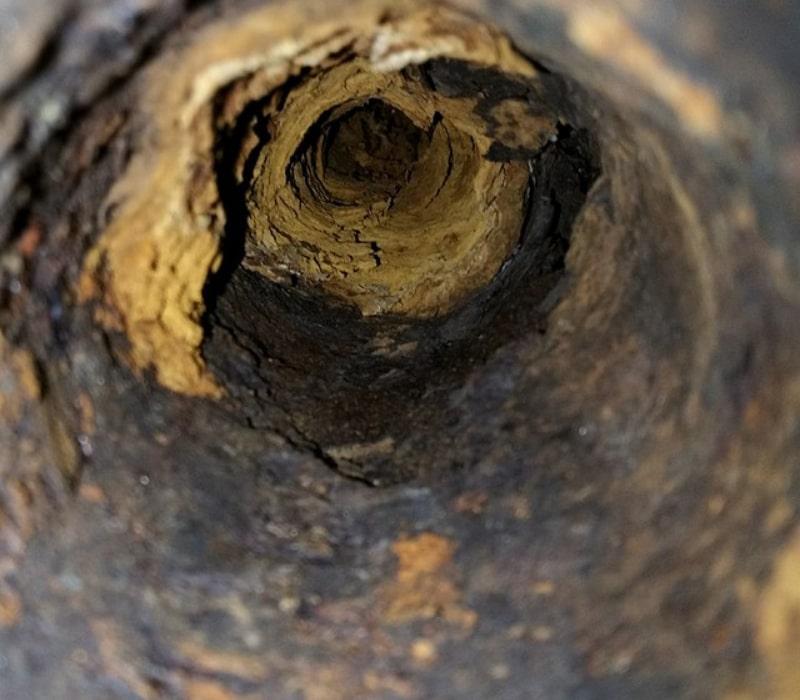
HVAC Duct Camera Inspection for Mold or Moisture Concerns
If you’re noticing musty odors, allergy symptoms, or damp registers, a duct camera inspection can help document what’s happening inside your system—before you pay for cleaning or remediation.
What a camera can (and can’t) confirm
A camera inspection can document visible conditions—like staining, rust, standing water signs, debris buildup, disconnected sections, or growth-like patterns.
If there is a mold concern, lab testing is required to confirm type. Visual documentation helps you decide whether testing or remediation is the next step.
Common moisture sources in duct systems
- Condensation from temperature differentials
- Air leaks pulling humid air into the system
- Inadequate insulation on ducts
- HVAC drainage or condensate issues
- High humidity + poor airflow or restrictions
When to schedule an inspection
- Musty smell when the system runs
- Allergy symptoms that worsen indoors
- Damp registers or visible staining near vents
- Uneven airflow or suspected disconnected ductwork
For the full service description, visit: HVAC Duct Camera Inspection.
Related reading
- When Should You Get an HVAC Duct Camera Inspection?
- How Much Does an HVAC Duct Camera Inspection Cost?
- Related service: Drainage Inspections
FAQ
Can a duct camera confirm mold?
It can document visual indicators, but lab testing is needed to confirm mold type.
Why Use a Camera for Duct Moisture or Mold Concerns
A camera inspection can be useful when you need visual confirmation inside hidden duct runs before authorizing more invasive work.