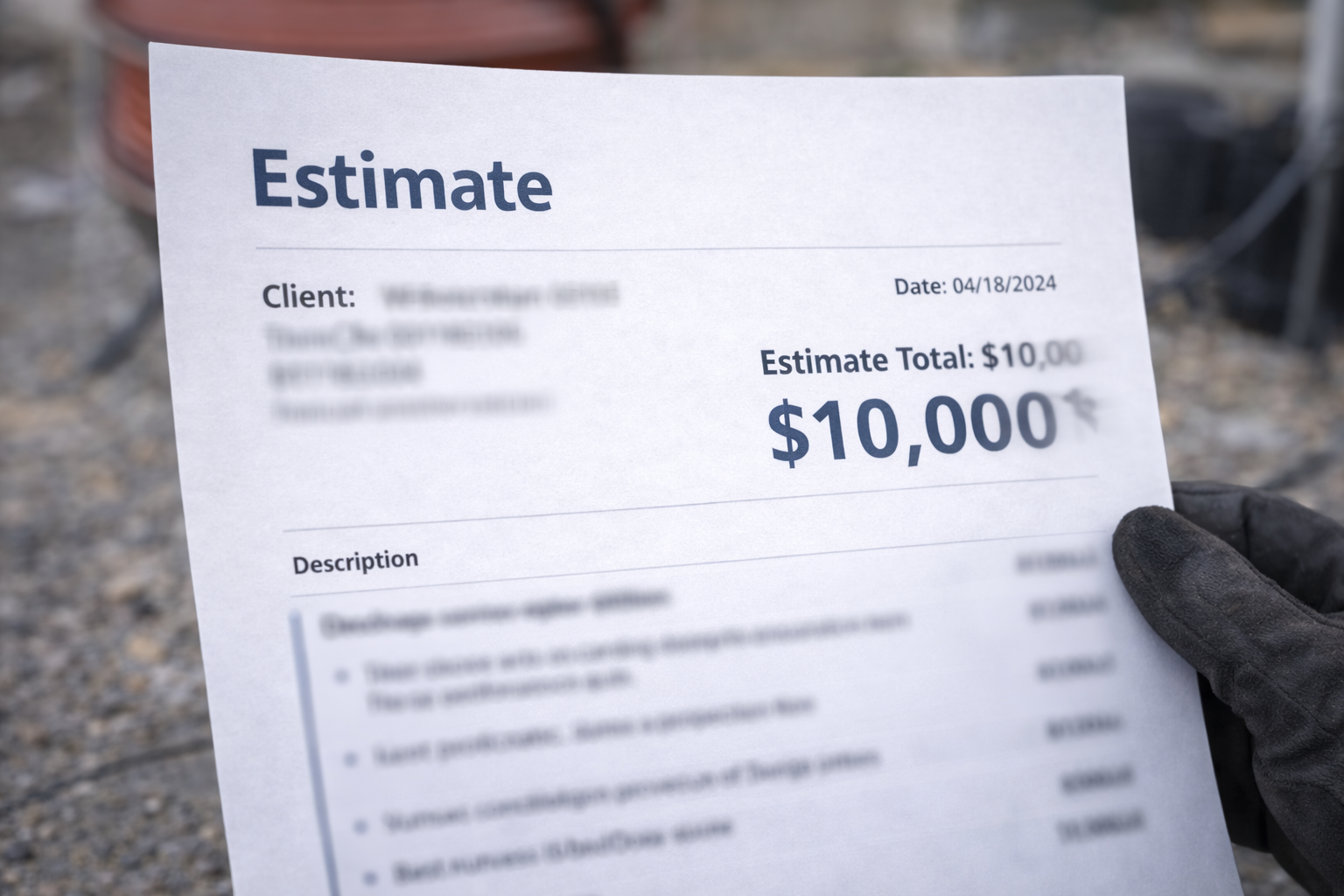
Got a $10,000+ sewer quote?
Before you sign off on a replacement, make sure the diagnosis is real. Independent sewer camera inspection gives you documented video and a clear summary without repair sales pressure.
What a solid sewer replacement recommendation should include
1) Recorded video
You should be able to see the defect: collapse, major break, severe offset, standing water with heavy buildup, or other structural failure.
2) Distances and landmarks
“It’s bad” is not a plan. A meaningful report notes where the issue is located and what section of the line is affected.
3) A scope that matches the defect
Some lines need full replacement. Others need a targeted repair. Without documentation, you may be paying for a bigger scope than necessary.
4) Options explained in plain language
What happens if you do nothing? What is the likely failure mode? What is the smallest reasonable fix? A good explanation includes tradeoffs.
When replacement is commonly justified
- Collapse or a section that cannot pass a camera
- Major break with soil intrusion and repeated backups
- Severe offset that catches solids and cannot be stabilized
- Chronic backups that continue even after appropriate cleaning/maintenance
- Multiple compounding defects across the run (not just one localized issue)
When replacement is often premature
Roots (especially localized)
Roots can be serious, but the plan depends on severity and location. A localized intrusion isn’t the same as a collapsed line.
Partial obstruction / buildup
Many “bad lines” are actually restricted lines. Once cleaned, the pipe may perform reliably—if the structure is intact.
Short sewer belly
A belly can be a risk factor without being a crisis. Severity and symptoms matter. Video shows whether it’s driving backups.
Fear-based recommendations
“If you don’t replace it today, it will collapse tomorrow” is rarely a technical statement. Insist on documentation and reasonable explanation.
Real-world outcome
We’ve seen homeowners quoted for full replacement when the real issue was a manageable obstruction pattern or a belly that required a targeted plan—not a full dig. The difference is simple: independent documentation.
Related: Sewer smell after rain • Independent sewer inspector
Helpful next reads
Independent sewer inspector in Kansas City
Helpful context for homeowners, buyers, contractors, and project planning in the Kansas City area.
Book an inspection-only sewer camera service
Helpful context for homeowners, buyers, contractors, and project planning in the Kansas City area.
See documented case studies
Helpful context for homeowners, buyers, contractors, and project planning in the Kansas City area.
What inspection cost should include
Helpful context for homeowners, buyers, contractors, and project planning in the Kansas City area.