What is a sewer belly?
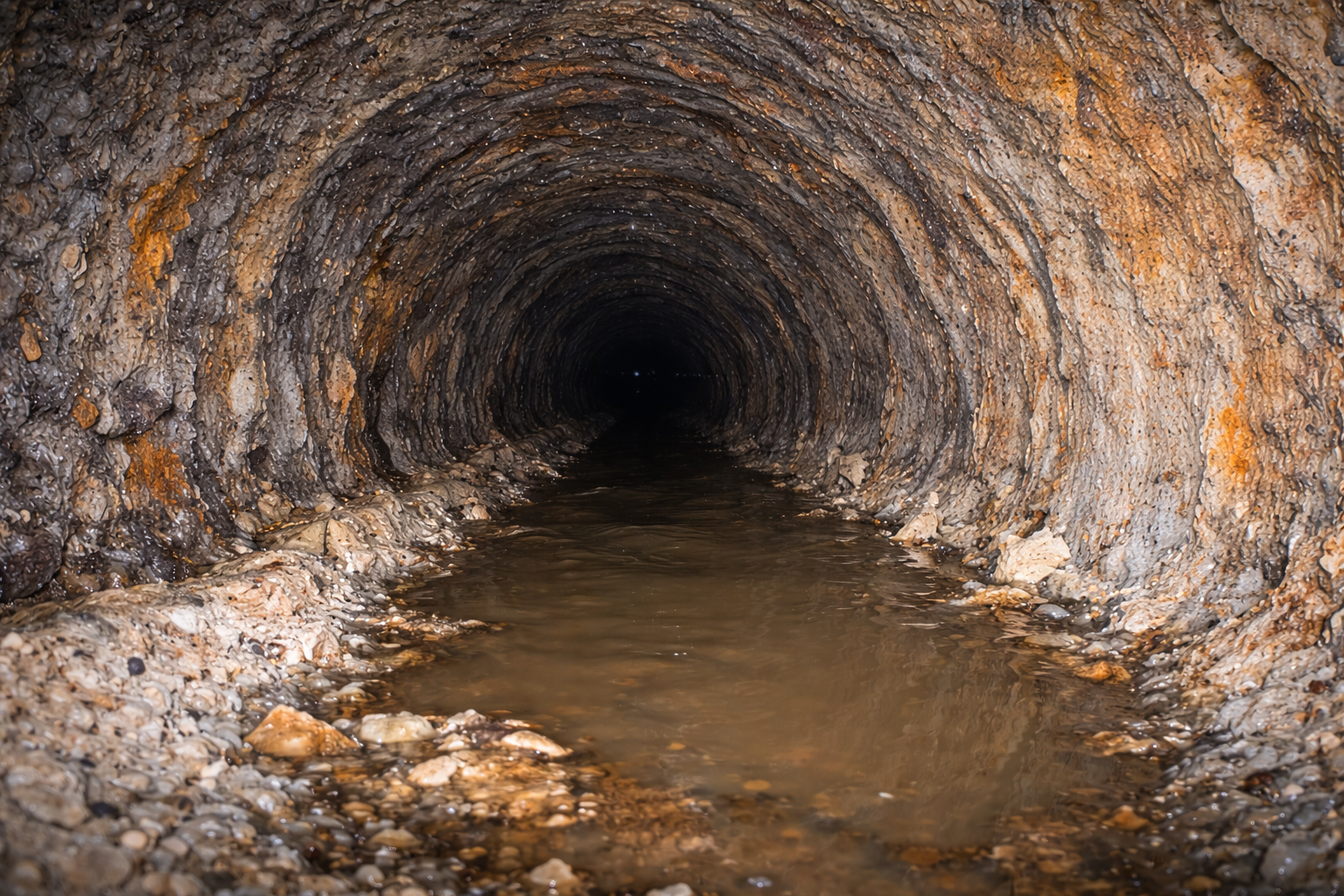
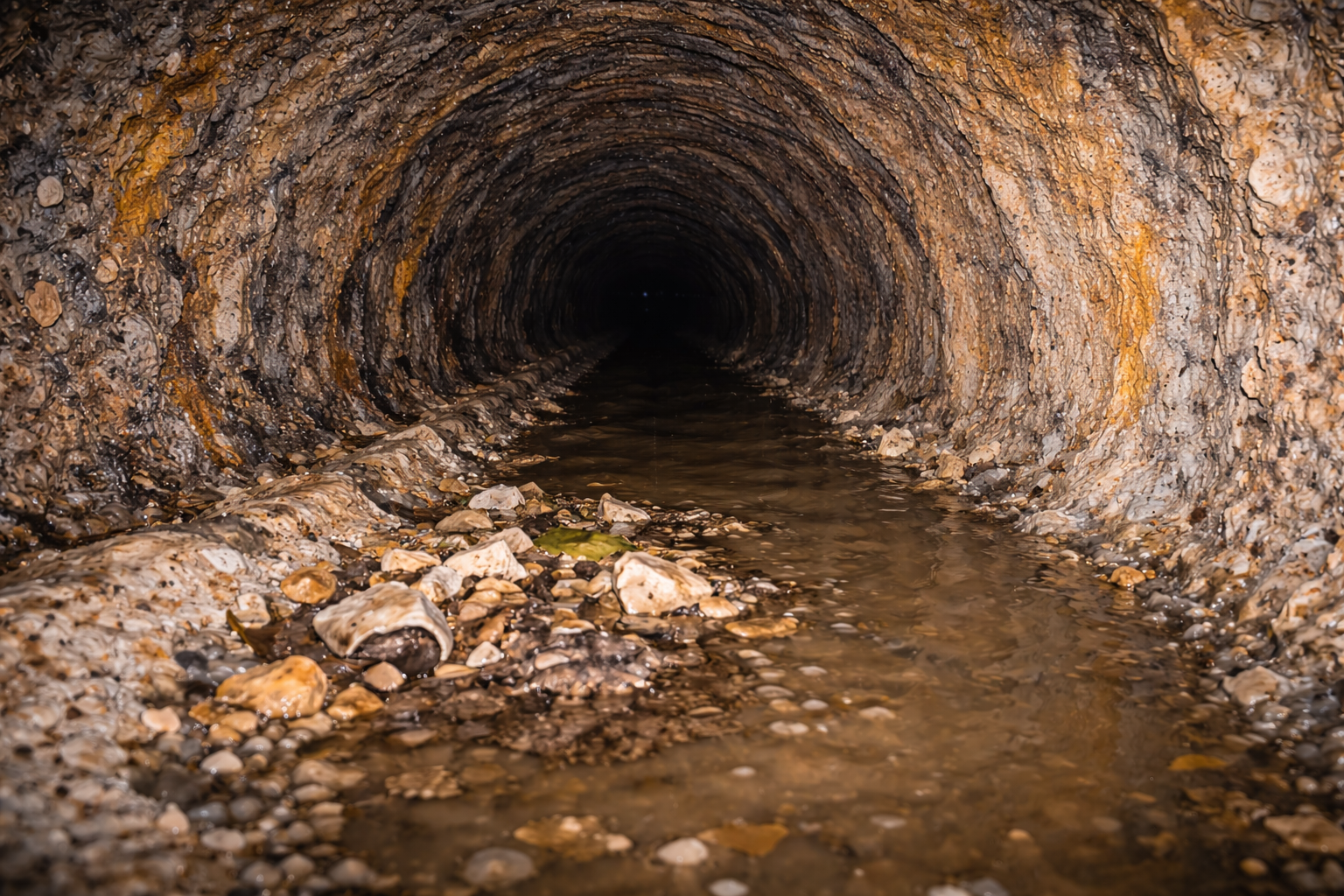
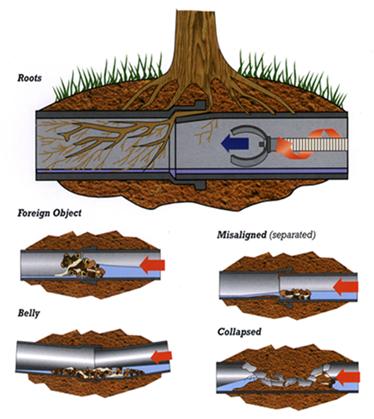
A sewer belly is a low section in the line where water collects instead of flowing through normally. Some bellies can be monitored. Others become recurring clog and backup risks. The camera inspection helps show the difference.
What causes a belly?
Soil settlement
Over time, soil can settle unevenly—especially if bedding and compaction were imperfect. The pipe follows the soil.
Installation grade issues
If the line was installed with a slight low spot, it may work for years and then begin showing symptoms as buildup increases.
Ground movement / freeze-thaw
Seasonal movement can worsen alignment, especially in older systems and in areas with changing moisture content.
Long runs without support
Long pipe sections and transitions can shift over time. The longer the run, the more a small grade issue matters.
Symptoms homeowners actually notice
- Recurring clogs that “come back” after snaking
- Slow drains that improve and then worsen again
- Gurgling when laundry drains or toilets flush
- Odor after heavy rain or during freeze/thaw weeks
- Backups that only happen under high flow
Does it always mean replacement?
Sometimes it can be monitored
If the belly is short and you’re not getting backups, it may be something you track over time—especially if the rest of the line looks good.
Reality: A belly is a risk factor. The question is severity and frequency, not panic.
Sometimes it drives repeated backups
If it’s long, deep, or paired with roots/offsets, you can end up paying for repeated cleanouts. That’s when a targeted repair can make sense.
Related: Case studies • Sewer camera inspection
Related sewer problem pages
Do you need to replace a line with a belly?
Helpful context for homeowners, buyers, contractors, and project planning in the Kansas City area.
Standing water: belly or blockage?
Helpful context for homeowners, buyers, contractors, and project planning in the Kansas City area.
Get a second opinion before replacement
Helpful context for homeowners, buyers, contractors, and project planning in the Kansas City area.
Book an inspection
Helpful context for homeowners, buyers, contractors, and project planning in the Kansas City area.
Why the location and length matter
A short belly near the house is different from a long sag deep in the yard. The best decision depends on how much standing water is present, whether solids are collecting, and whether other defects are nearby. That is why independent video and distance measurements matter so much before approving repair.
Related: sewer belly symptoms, standing water: belly or blockage, and replace or monitor?