Basement smells like sewer after rain
If heavy rain (and freeze/thaw) triggered a new sewer odor, it’s often your first warning sign of a partial blockage or a low spot (“belly”) in the line. Get clarity before you pay for replacement.
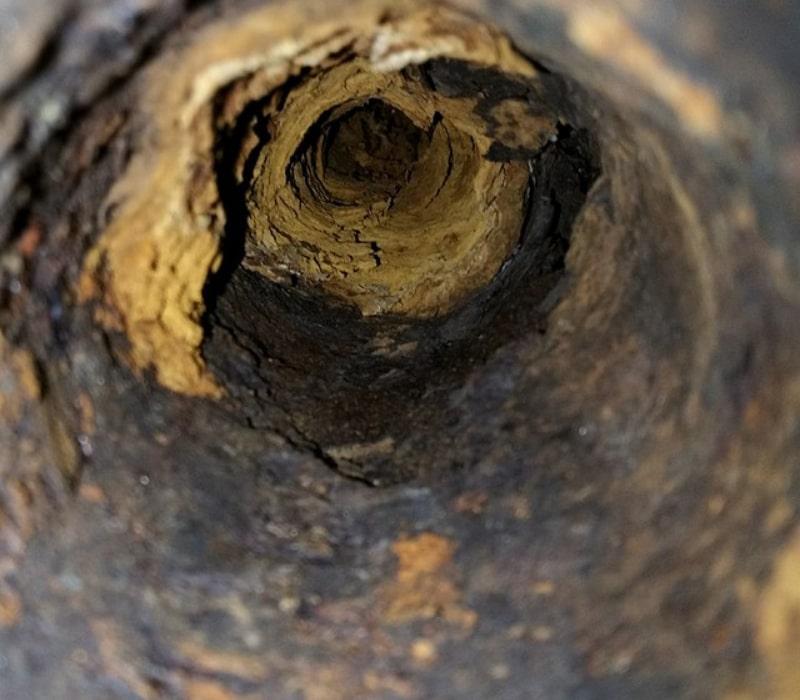
Common causes we see in Kansas City-area homes
1) Partial blockage (the most common)
Grease, wipes, paper, and settled solids can create a restriction. It may drain “okay” until heavy rain adds extra flow. That’s when odor, gurgling, or backup starts.
2) Sewer belly (low spot / sag)
A belly is a section of pipe that holds water because it’s not graded correctly. Solids collect there, and storms can stir things up—creating sudden odor and slow drains.
3) Roots or offsets
Roots can intrude at joints. Offsets (misalignments) can catch debris. Both are easy to misunderstand without video evidence.
4) Dry trap (sometimes)
If a floor drain hasn’t had water in it for a long time, the trap can dry out and allow sewer gas through. But if the odor is new after rain, don’t assume this is the only cause.
Warning signs that mean “don’t wait”
- Water coming up from a floor drain or shower
- Gurgling when a toilet flushes or washer drains
- Multiple fixtures slow at the same time
- Odor that increases during rain or right after the rain stops
- Backups that “come and go” (often belly/partial restriction behavior)
If you see any of the above, the next rain event can turn it into a full backup.
Why independent inspection helps
No repairs. No upsell.
GroundTruth is inspection-only. That means the outcome isn’t “how do we sell a replacement.” It’s “what is actually happening in the pipe, and what’s the smallest reasonable fix.”
Documented truth
You get recorded video and a written summary. If you need a repair contractor, you can share the findings and avoid paying multiple companies for guesswork.
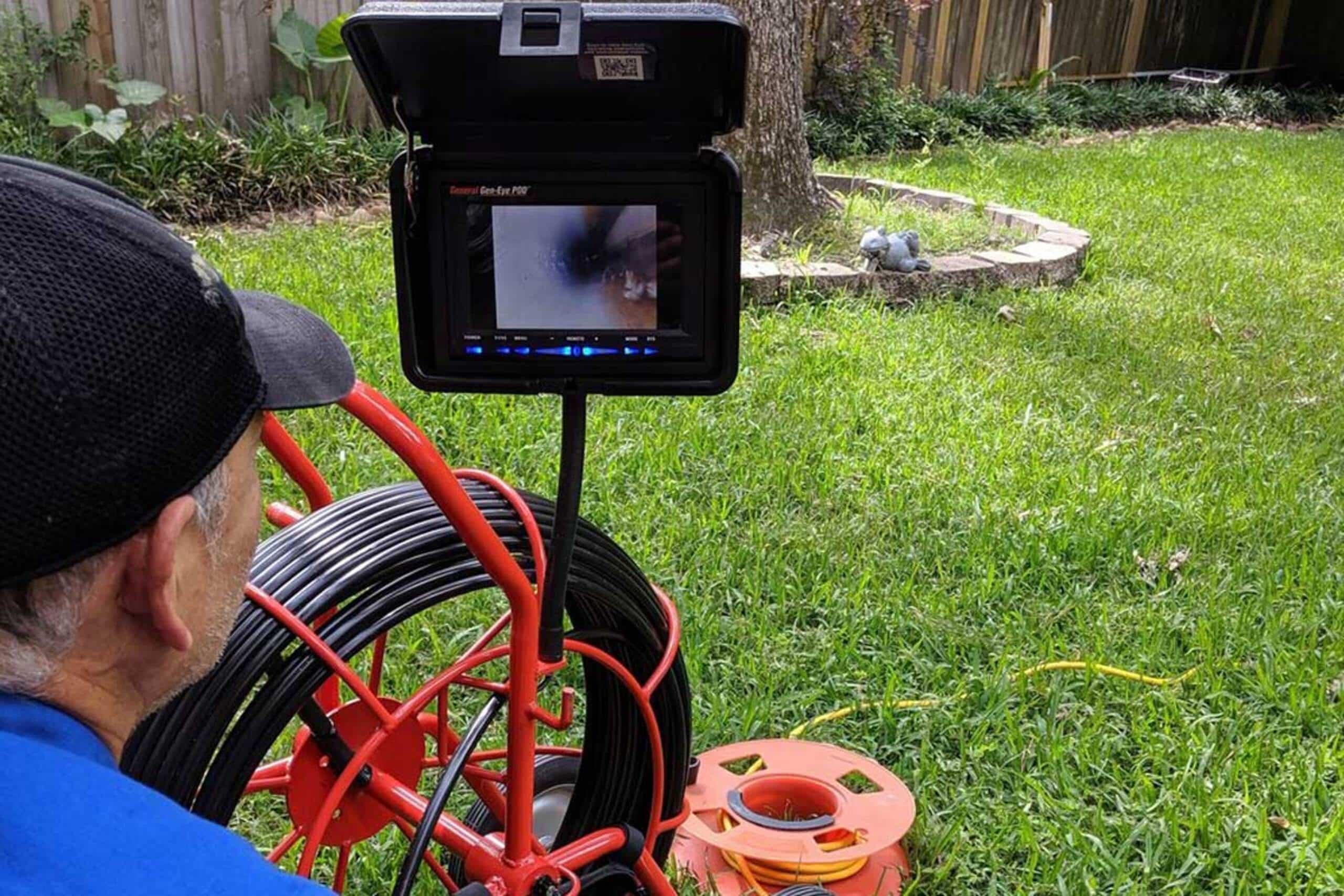
Related: What is a sewer belly? • Case studies • Sewer camera inspection

When odor after rain points to a sewer line issue
If the smell shows up only during storms or right after they pass, that timing matters. It often means additional water is interacting with an existing restriction, standing water in a belly, or pressure changes around basement drains and traps.
Helpful next reads: can heavy rain cause sewer backup?, what is a sewer belly?, and sewer smell in basement.