Can heavy rain cause sewer backup?
Yes. Heavy rain is one of the most common triggers for backups—especially in homes with a partial blockage, roots, offsets, or a sewer belly. The key is diagnosing the cause with documented video.
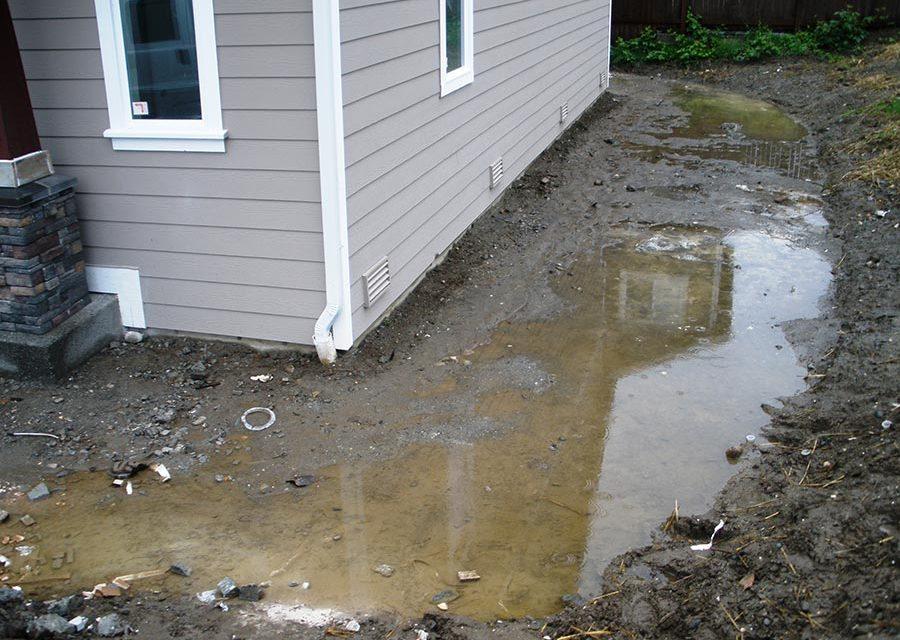
What homeowners notice first
- Sewer odor in the basement (especially near floor drains)
- Gurgling when toilets flush or laundry drains
- Slow drains across multiple fixtures at the same time
- Water backing up into a basement shower or floor drain
- Problems that appear only during rain and then “disappear”
The most common storm-triggered causes
Partial blockage
Grease, wipes, paper, and settled solids narrow the flow path. Storm flow can push the line over the edge.
Root intrusion
Roots can catch debris. Under high flow, that debris builds faster and causes backups.
Sewer belly (sag)
A belly holds water and collects solids. Storms stir the system and increase the chance of a plug forming at the low spot.
Offsets / separations
Misaligned joints can catch paper and debris. Storm conditions can turn “occasional” into “recurring.”
What to do if you have storm-related symptoms
- Don’t ignore odor. It often comes before a backup.
- Pay attention to patterns. “Only during heavy rain” is a clue.
- Get documented video. A sewer camera inspection identifies the actual cause and location.
- Decide on scope with evidence. Many problems do not require full replacement.
Related: Case studies • Independent sewer inspector

Rain exposes problems that were already there
Heavy rain does not create roots, offsets, or sewer bellies out of nowhere. What it does is add enough water to make borderline lines fail faster. If your home already had a partial restriction or standing water in the line, a storm can be the event that turns warning signs into a messy backup.
- More water means less margin for a partially blocked line
- Basements and lower fixtures usually show symptoms first
- Independent inspection helps separate storm overload from line defects